Explore the Most Recent Innovations in Roofing Materials and Methods
The roofing sector is undergoing a major transformation. Advancements like solar-integrated systems and sustainable materials are gaining momentum. Property owners now have access to choices that emphasize sustainability and performance. In addition, cutting-edge installation techniques and advanced technologies are revolutionizing standard practices. As these innovations keep emerging, their influence on both appearance and performance presents significant considerations for property owners and industry experts alike. What comes next in this transforming landscape?
Solar-Powered Roof Options
What methods allow homeowners to effectively capture solar power while improving their roof structures? Solar-enhanced roofing options present a persuasive response. These advanced solutions merge conventional roof components with solar cell technology, permitting residents to create energy without sacrificing architectural beauty. Through the integration of photovoltaic shingles or tiles, residents can effortlessly incorporate energy generation into their roof structures, enhancing energy effectiveness while sustaining the design authenticity of their residences.
These solutions not only reduce dependence on fossil fuels but also cut utility costs. Additionally, advancements in solar technology have resulted in more durable, weather-resistant materials that can withstand harsh conditions, ensuring longevity. As energy demands grow, solar-integrated roofs present an efficient, sustainable alternative that supports modern ecological objectives. This dual functionality enhances home value and advances environmental stewardship, positioning homeowners as proactive players in the renewable energy movement. In the end, this innovative approach transforms traditional roofing into an essential component of energy sustainability.
Sustainable Roofing System Products
Environmentally friendly roofing materials are increasing in popularity as homeowners search for sustainable options for their roofs. These materials not only reduce environmental impact but also improve energy efficiency, resulting in lower utility costs. The growing availability of cutting-edge, sustainable materials provides exciting prospects for the roofing industry.
Sustainable Material Alternatives
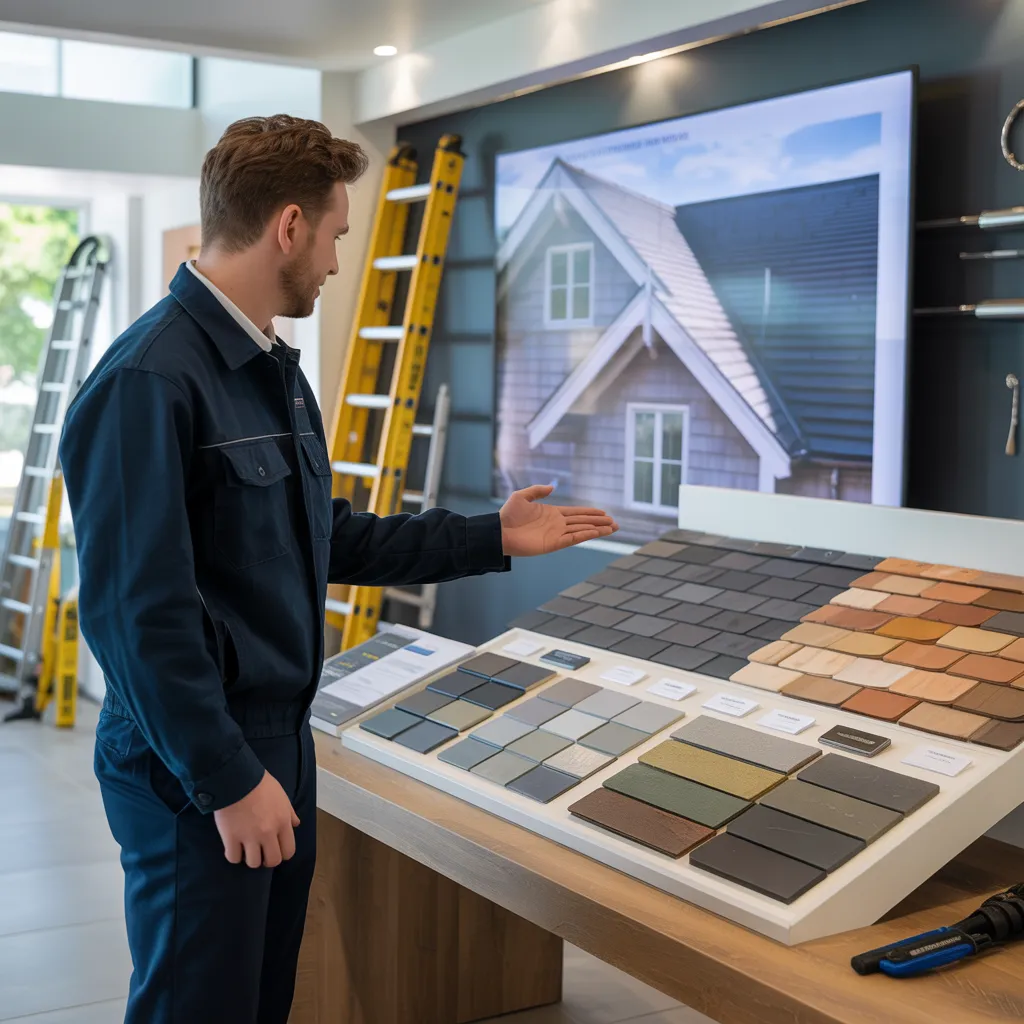
With sustainability becoming a top priority for homeowners, numerous eco-friendly roofing materials have appeared as viable options. Of these options, reclaimed wood presents a rustic aesthetic while reducing waste, making it a popular choice. Metal roofing, notably made from recycled materials, boasts long-lasting performance and recyclability, greatly minimizing environmental impact. Furthermore, natural slate and clay tiles deliver durability and energy efficiency, often acquired through sustainable practices. Green roofs, which integrate vegetation, improve insulation and support biodiversity. What's more, synthetic materials crafted from recycled content can imitate traditional roofing styles while being more lightweight and durable. These sustainable options not only address the critical requirement for eco-friendly construction but also accommodate the aesthetic and functional demands of modern homes.
Eco-Friendly Roofing Options
With sustainability gaining greater importance, energy-efficient roofing solutions have become more essential for homeowners seeking to minimize their carbon footprint. These cutting-edge roofing materials, such as cool roofs, green roofs, and solar shingles, present significant energy savings by deflecting solar rays and strengthening insulation. Cool roofs, finished with reflective materials, can decrease rooftop temperatures, decreasing the need for air conditioning. Green roofs, which integrate vegetation, not only offer natural insulation but also promote urban biodiversity. Furthermore, solar shingles incorporate photovoltaic technology into traditional roofing, empowering homeowners to generate renewable energy. By adopting these eco-friendly solutions, homeowners can support environmental conservation while benefiting from lower energy bills and increased property value. Energy-efficient roofing signifies a vital step toward a sustainable future.
Cool Roof Technologies
Cool roofing technologies signify a notable advancement in roofing solutions designed to boosting energy efficiency. Primary elements consist of energy-efficient roof coatings, reflective roofing materials, and innovative green roof solutions. These technologies don't just decrease energy costs but also enhance improved urban climate resilience.
Energy-Saving Roof Coatings
Whereas traditional roofing materials frequently absorb heat, energy-efficient roof coatings, frequently referred to as cool roof technologies, reflect a substantial portion of sunlight and reduce heat retention. These coatings are generally composed of reflective pigments and specialized polymers that enhance their thermal performance. By minimizing heat transfer, energy-efficient roof coatings can decrease indoor temperatures, causing decreased reliance on air conditioning systems. This not only supports energy savings but also leads to reduced greenhouse gas emissions. Furthermore, these coatings can increase the lifespan of roofing materials by shielding them from UV damage and weathering. Overall, energy-efficient roof coatings represent a sustainable solution that benefits both property owners and the environment, making them an progressively popular choice in modern roofing practices.
Reflective Roof Components
Reflective roofing materials, often categorized under cool roof technologies, play an essential role in enhancing energy efficiency in buildings. These systems are constructed to bounce back a considerable degree of sunlight from the property, limiting thermal absorption and reducing internal temperatures. By utilizing reflective applications, membranes, or shingles, facility managers can diminish their need for climate control equipment, full information generating considerable energy conservation. Furthermore, these roofing solutions help reduce urban heat island phenomena, fostering lower temperatures in highly populated regions. Offered in multiple hues and surface treatments, reflective roofing materials can be visually attractive while delivering practical advantages. As awareness of climate change grows, the adoption of reflective roofing materials is increasingly recognized as a sustainable choice for modern construction practices.
Living Roof Systems
Drawing from the advancements in reflective roofing materials, green roof solutions have emerged as another innovative approach to improving urban sustainability. These systems, which incorporate vegetation and soil on rooftops, provide numerous environmental benefits. By absorbing rainwater, they mitigate urban flooding and decrease heat island effects, thereby lowering surrounding temperatures. Moreover, green roofs improve air quality by filtering pollutants and producing oxygen. They also improve building insulation, contributing to energy efficiency and reducing heating and cooling costs. With diverse plant options, including native species, green roofs encourage biodiversity in urban settings. As cities continue to expand, green roof solutions represent a crucial strategy for integrating nature into urban infrastructure, fostering healthier and more resilient communities.
Manufactured Roofing Materials
What turns synthetic roofing products an attractive option for today's construction? These state-of-the-art materials provide a fusion of resilience, aesthetic attractiveness, and economic efficiency. Made from various polymers and composites, synthetic roofing products replicate traditional materials like slate or wood while delivering elevated performance characteristics. They are low-weight, which simplifies installation and lessens structural load on constructions.
Furthermore, synthetic choices commonly provide outstanding resistance to weather conditions, including UV rays, moisture, and extreme temperatures, guaranteeing durability and minimal maintenance demands. Many solutions also include warranties that demonstrate their reliability and reliability.
In terms of environmental impact, synthetic roofing materials can be produced with recycled content, advancing sustainability efforts within the construction industry. Their versatility enables a variety of styles and colors, meeting the needs of diverse architectural designs. In general, synthetic roofing products present an attractive alternative for homeowners and builders looking for modern solutions.
Enhanced Integration Approaches
A number of cutting-edge installation techniques have appeared in the roofing industry, notably boosting the efficiency and quality of the process. One notable method is the use of prefabricated roofing systems, which enable for faster assembly on-site and decrease material waste. Additionally, modular roofing panels enable simpler handling and installation, generating substantial time savings.
Another innovative approach involves the application of advanced adhesive technologies, which eliminate the need for mechanical fasteners in specific roofing applications, thus streamlining the installation process. The use of drones for site inspections and measurements has also risen in popularity, delivering accurate data and enhancing safety during the installation phase.
Moreover, training programs for roofing professionals now prioritize precision techniques, such as proper flashing installation and thermal imaging assessments, to provide durable results. These sophisticated installation practices result in improved overall roof performance and longevity, reflecting the industry's dedication to continuous improvement.
Smart Roof Systems and Technology
Advanced roofing systems and technology are transforming the way buildings handle energy and environmental conditions. These cutting-edge solutions combine sensors, automation, and advanced materials to maximize roof performance. Equipped with real-time monitoring capabilities, smart roofs can track temperature, humidity, and energy consumption, allowing optimized management of heating and cooling systems.
Furthermore, numerous smart roofs incorporate environmentally-conscious materials that improve energy efficiency by minimizing heat absorption and encouraging insulation. Several systems even incorporate solar panels that create renewable energy, further promoting sustainability efforts.
Moreover, advanced smart roofing systems can notify building managers of potential concerns, such as leaks or structural weaknesses, facilitating timely maintenance. As urban environments increasingly confront climate challenges, these technologies not only enhance building resilience but also support a reduction in overall carbon footprints, making them an essential component of modern architectural practices.
Common Questions
What Factors Should I Consider When Choosing Roofing Material for My Home?
To select the most suitable roofing material, one should evaluate factors like climate, durability, aesthetics, budget, and maintenance needs. Consulting with professionals and exploring available options guarantees an informed decision suited to the home's specific circumstances.
What Is the Expected Durability of Today's Roofing Materials?
The mean longevity of current roofing materials fluctuates substantially, usually spanning from 15 to 50 years. Asphalt shingle roofs endure roughly 20 years, while metal roof systems can last for up to 50 years with proper care and proper installation.
Can New Roofing Technologies Be Used in Any Climate?
Modern roofing materials aren't universally appropriate for every climate. Individual material performance changes with environmental variables, requiring careful selection to guarantee durability and effectiveness in distinct weather patterns and area-specific issues.
What Are the Best Practices for Maintaining New Roofing Systems?
To maintain new roofing systems effectively, routine inspections, prompt repairs, debris removal, and proper cleaning methods are necessary. Furthermore, observing manufacturer guidelines and providing sufficient ventilation will prolong the service life and performance of the roofing materials.
What Investment Is Needed for Innovative Roofing Solutions?
The expenses related to innovative roofing solutions vary widely, usually extending from $5 to $15 per square foot. Factors influencing pricing include material choices, installation complexity, and area-specific labor pricing, influencing overall project budgets significantly.